Basic Homemade Seitan

Tags

, , , ,

image

Seitan (say-tan) is a vegan meat made from vital wheat gluten. This is only the protein part of the wheat berry with everything else removed. It’s also used as an additive while baking to give more volume to bread. A quarter cup, about what you might eat for dinner as seitan, has approximately 23 grams of protein and 10% of your daily iron.

What’s especially fun about seitan is the potential for seasoning. You can add anything you want, and the flavor will be mixed all the way through every bite. You can also make it into any shape, from meatloaf to taco meat.

Ingredients and Instructions: 

image

  • 1 to 1.25 cups of vital wheat gluten
  • Liquid is 3/4 cup water or vegetable broth + 2 tbsp Bragg Liquid Aminos
  • Seasonings are 3 tbsp nutritional yeast + 3 tbsp spices
  • 6 cups of vegetable broth or seasoned water to cook it in (not pictured)

For spices I’m using 1 tbsp onion powder + 1 tbsp garlic powder + 3/4 tbsp dried thyme + 1/4 tbsp ground black pepper. This gives it a more traditional meat flavor. Other ideas are powdered ginger and garlic for Asian dishes, or cumin and chili powder for Mexican dishes, etc.

Mix the seasonings and 1 cup of wheat gluten together well before adding any liquid, then add the liquid and stir/kneed until everything is incorporated into a dough. Sprinkle additional gluten into the dough as you kneed until it no longer feels too moist. Continue working the dough for a couple minutes to help the protein develop into a meaty texture. Let this sit for ten or more minutes while you prepare and heat the broth to cook it.

The broth can be any liquid that will support the flavors in the seitan. Vegetable broth is perfect. Or water with Braggs and more of the spices that you put in the dough. Some people also add chopped onion and garlic.

image

I’m serving my seitan as medallions so I rolled the dough into a log and sliced it into rounds. You can do a whole loaf, or cut off small chunks for stir fry, etc.

Bring the cooking liquid to a boil, reduce to a simmer and add the seitan pieces. Let this simmer gently for 45 minutes, stirring occasionally to ensure it doesn’t stick to the bottom. The seitan will float to the top. Remove with tongs and press out excess liquid.

Now prepare as you would with any meat. I seared my medallions with mushrooms. This is also excellent with vegan gravy.

Enjoy!

Creamy Broccolini Soup

Tags

, , , ,

image

This hearty soup gets its wonderful cheesy flavor from blended sweet potatoes, miso and Bragg Liquid Aminos – a lower-sodium and gluten-free alternative to soy sauce that I highly recommend for every pantry.

Ingredients and Instructions:

image

Sauté for 5 minutes:

  • 2 tbsp.  Grape Seed Oil
  • 4 tbsp.  Onion, chopped
  • 2 tbsp.  Garlic, minced
  • 2 tbsp.  Ginger Root, minced

image

Add and sauté for 5 minutes:

  • 1           Sweet Potato, peeled and chopped
  • 2 cups   Broccolini, chopped (using stems, saving florets for stir fry!)
  • ½ cup    Red Pepper, chopped

image

Add and bring to boil for 10 minutes:

  • 1 cup     Water
  • 2 tbsp.   Bragg Liquid Aminos

image

Remove from heat and add:

  • 2 tbsp.   Brown Miso
  • 1 cup     Water (mix in miso first for easier incorporation)

Place all in blender and blend until smooth. Serve and enjoy!

Can add for a cheesier flavor:

  • ¼ cup    Nutritional Yeast

Great Scott Minestrone Soup

Tags

, , ,

This recipe comes from my friend’s husband, Scott, who became an exceptional cook while combating boredom and the local cuisine in the Peace Corps in Bulgaria. His sacrifice, our enjoyment!

Ingredients and Instructions: 

image

Sauté for 5 minutes:

  • ¼ cup   Grape Seed Oil
  • 1           Medium Onion, chopped
  • 5           Cloves Garlic, minced

image

Add and sauté for 5 minutes:

  • 2           Carrots, chopped
  • 2           Celery Ribs, chopped

image

Add and sauté for 5-10 minutes:

  • 1           Small Parsnip, chopped
  • 1           Small Turnip, chopped
  • ½ cup    Red Wine
  • 1 tbsp.   Dried Oregano
  • 1 tbsp.   Dried Thyme
  • 1 tbsp.   Rosemary, chopped or dry
  • 2            Bay Leaves
  • 1 tbsp.   Ground Black Pepper
  • 1 tbsp.   Kosher Salt

image

Add, bring to boil and reduce to simmer for 30+ minutes until pasta is soft:

  • 1 qt.      Vegetable Broth
  • 14 oz.    Can Diced Tomatoes
  • 14 oz.    Can Diced Tomatoes, pureed
  • 14 oz.    Can Kidney Beans, rinsed
  • 14 oz.    Can White Beans, rinsed
  • 1 cup     Pasta (fusilli, bow tie, etc.)
  • ½ cup    Red Wine

Power Plants!

Tags

, , ,

We have an energy crisis.

There’s our addiction to oil, to be sure, but I’m talking about another addiction that contributes to our wasteful use of natural resources and a decline in our overall wellbeing. Food is energy, and I’m talking about our addiction to meat.

Several years ago, in an effort to lose weight and generally feel healthier, I started learning about the impact that my food choices have on my physical and emotional health. I read a lot, but I also tried a lot of different things to figure out what would work for my body. I didn’t set out to be a vegetarian or pescatarian (I occasionally eat seafood). But that’s where I ended up.

It wasn’t until later that I learned about how my food choices affect my community – local and global. So for me, the environmental effects of a meat-free diet just help to reinforce a decision I already made. But for someone else, it might be the spark that lights a new path. Or it might be a reason to add meat-free days into your week.*

For all of us, it’s important to know that some of the foods we eat every day are substantially, even shockingly, less energy efficient than others:

  • Cattle consume 16 pounds of grain for every pound of meat they yield.
  • Producing a single pound of beef also uses the same amount of water that an average person uses showering for an entire year (approx. 5200 gallons for both). A pound of produce requires around 25 gallons to grow.
  • It takes 11 times the amount of fossil fuel to create one calorie of animal protein versus plant protein.
  • Livestock contributes 18% of the greenhouse gases that cause global warming, which outweighs all forms of transportation combined.
  • Grains and vegetables are a vastly more productive use of land compared with meat. The same acreage can produce beef to feed one person or wheat to feed 15, chicken to feed one or potatoes to feed 11. Yet 30% of the earth’s land mass is now used to raise animals for food, at the sacrifice of hundreds of millions of acres of forest.

You may have heard that switching to a meat-free diet is better for the environment than trading in an SUV for a Prius. You can see why: eating higher on the food chain is hugely inefficient. Plants are literally nature’s power plants, converting dirt and sunlight into life that we can consume. Fruits and nuts and seeds are batteries, storing that energy for future use. Meat is the middle man, and meat is greedy.

Unlike a Prius, there’s unfortunately no gas gauge or price at the pump to give us measurable insight into what we’re saving with a meat-free diet. But you can definitely count on your good choices making a positive difference for the environment – and on feeling an even bigger payoff in your own health and wellbeing.

*If giving up meat completely is too high a hurdle, but you want your diet choices to support positive change, there are two other issues around food and energy use to put on the table: organic production and localizing your diet.

Barbara Kingsolver’s Animal, Vegetable, Miracle is a great read and covers both of these in the context of her personal journey living as a locavore for a year. Her husband offers technical sidebars throughout with tidbits like this:

“If every U.S. citizen ate just one meal a week (any meal) composed of locally and organically raised meat and produce, we would reduce our country’s oil consumption by over 1.1 million barrels of oil every week.”

We don’t need to drill more, we need to grill less…meat. Grilled vegetables are delicious 🙂

Homemade Indian Curry Paste

Tags

, , , , ,

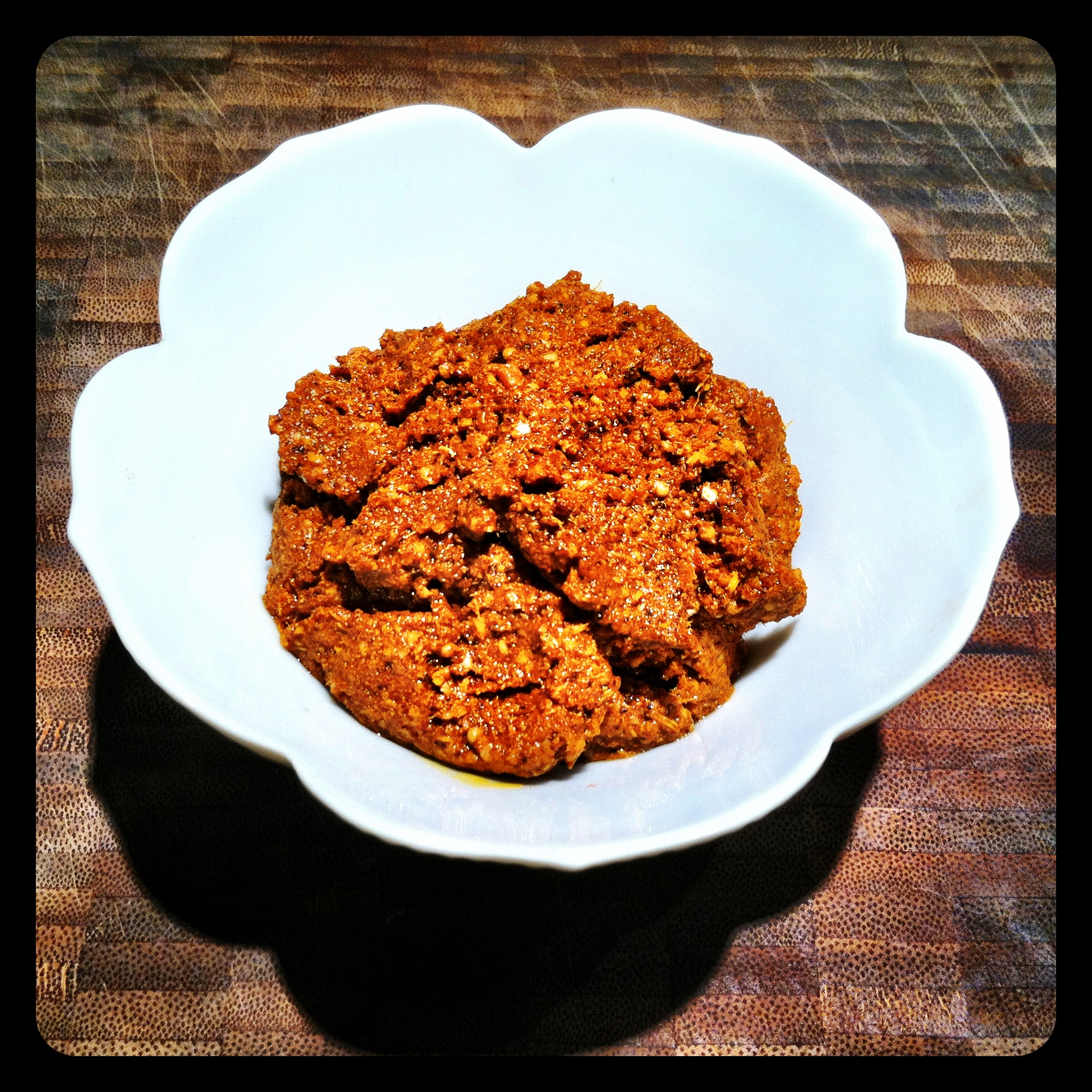
Curry Paste

Homemade Curry Paste

This is a flavorful base that you can use for many different Indian curry dishes to take advantage of the ingredients you have at home or are craving. You can adjust the different spices to your own taste. For example, this recipe has enough cinnamon to be noticeable so dial that back if you like less.

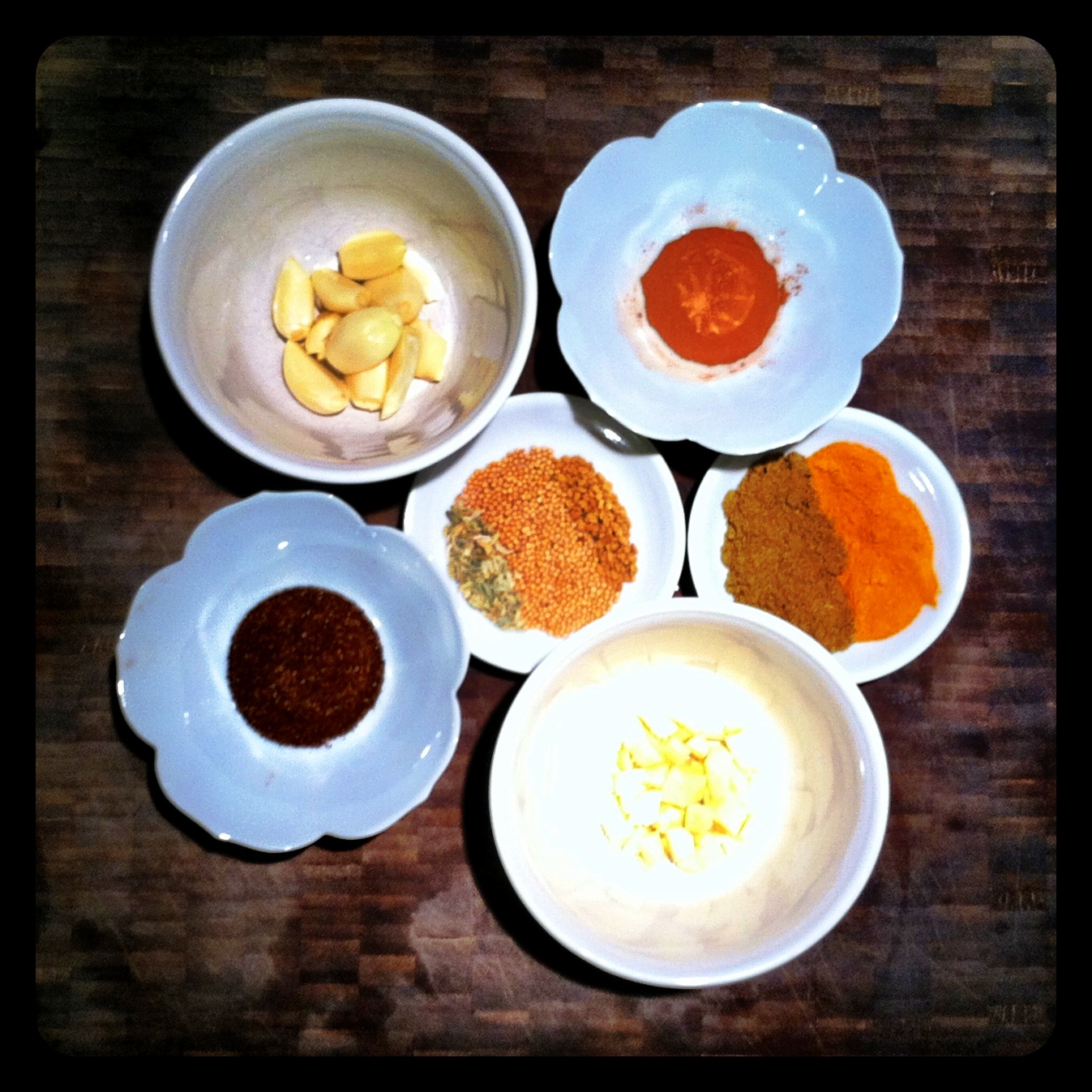
Ingredients:

  • .25 tsp fenugreek seed
  • .25 tsp fennel seed (optional)
  • .25 tsp cinnamon powder
  • .75 tsp mustard seed
  • .75 tsp chili powder
  • 1.25 tsp turmeric powder
  • 1.25 tsp cumin powder
  • 1.5 inches ginger root, peeled and chopped
  • 10 cloves garlic
  • 1-2 tbsp grape seed oil – enough to pull other ingredients together
  • 1 tbsp tomato paste (optional here, I add to my curry separately)

Curry Paste Ingredients

Toast the fenugreek, fennel and mustard seeds in a dry pan over medium heat until they become fragrant and darken in color, maybe 5 minutes.

Transfer seeds into food processor and pulse several times.

Add all other ingredients except oil and tomato paste and process until a consistent texture.

Add oil and tomato paste and process again to achieve the desired texture.

Here’s an example of how to use – Curried Lentils:

  • Heat 3 tbsp grape seed oil in large pot over med heat.
  • Season oil with 2 bay leaves, 15 peppercorns, .25 tsp crushed red pepper (or more if you like, or use finely chopped jalapeno), and 2 tsp Celtic sea salt
  • Add 2 finely chopped onions and cook 5 mins
  • Stir in curry paste from above (and the tomato paste if not incorporated)
  • Add .5 cups water, 3 chopped carrots, 1 chopped red bell pepper
  • Add 1.5 cups water and .5 cups lentils
  • Cook until lentils are done
  • Remove from heat, serve over basmati rice if you like, and sprinkle with fresh chopped cilantro
  • Consider including tofu, mushrooms or sweet potatoes. Try serving over spinach instead of rice